

Our Natural Wellness Story
Founded in the heart of Budapest with a profound mission to revolutionize natural health and wellness, Natural Balance Hungary emerged from a deep understanding that true wellness begins with nature's purest gifts.
Our journey started when our founders recognized the transformative power of natural ingredients and their ability to restore balance to both body and mind. Located at Váci utca 34 in Budapest's vibrant wellness district, we have become Hungary's trusted partner in natural health solutions.
Our Foundation
Every product we create begins with extensive research into traditional wellness practices and modern scientific validation. We believe that nature holds the key to optimal health, and our role is to unlock and harness these ancient wisdom.
- • Preserving traditional wellness knowledge
- • Combining time-tested remedies with modern science
- • Ensuring every ingredient meets our rigorous standards
- • Supporting our customers' journey to natural wellness
Quality Assurance & Sourcing Excellence
Our unwavering commitment to quality begins at the source. We maintain rigorous standards throughout our entire supply chain, ensuring that every natural ingredient meets our exacting requirements for purity, potency, and sustainability.
Sustainable Sourcing
We partner exclusively with certified organic farms and suppliers who share our commitment to environmental stewardship and sustainable harvesting practices. Every ingredient is traceable to its source.
- • Organic certification verification
- • Direct farmer relationships
- • Fair trade partnerships
- • Seasonal harvesting optimization
Laboratory Testing
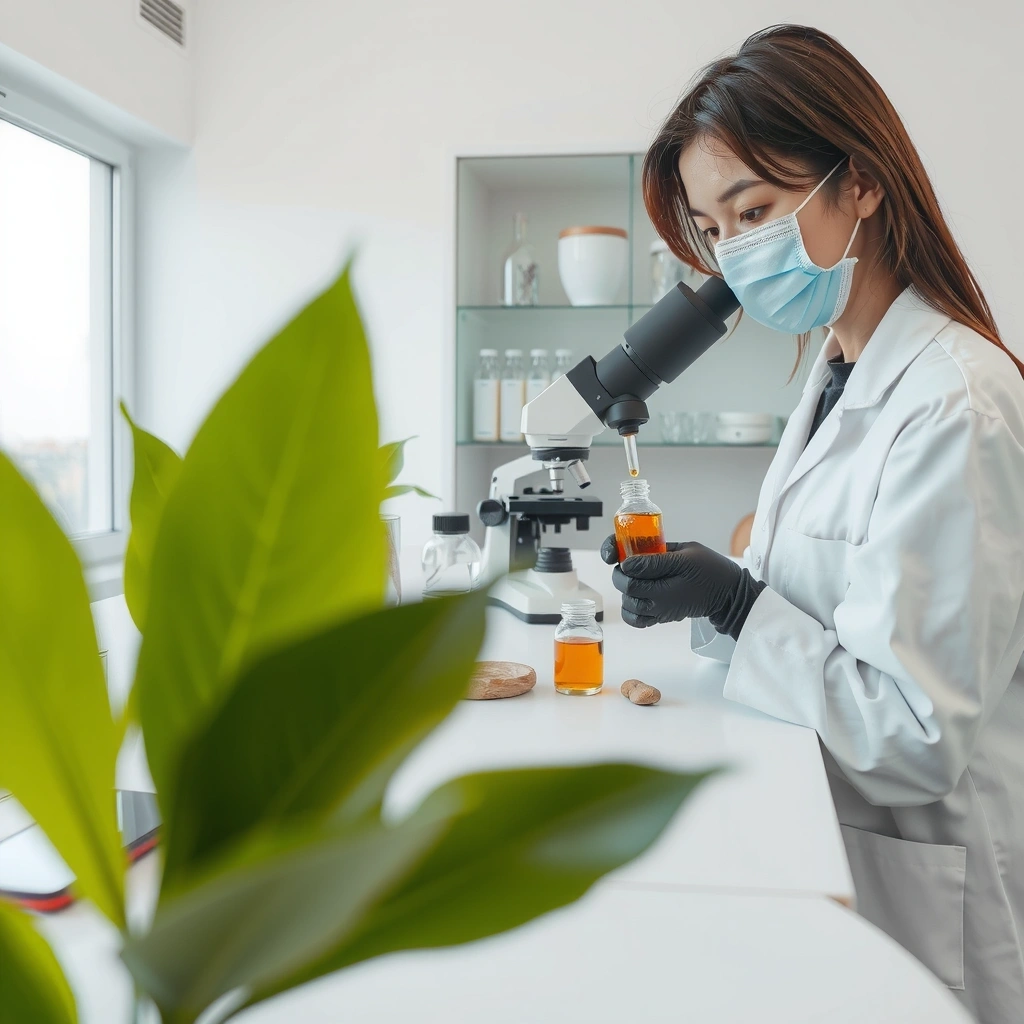
Every batch undergoes comprehensive testing in our state-of-the-art facility. We verify potency, purity, and safety through multiple analytical methods including HPLC, GC-MS, and microbial testing.
- • Potency verification testing
- • Heavy metals screening
- • Microbiological analysis
- • Pesticide residue testing
Quality Certifications
Our products meet and exceed international standards including GMP, ISO 22000, and organic certifications. We maintain transparent documentation of all quality processes and certifications.
- • GMP certified facilities
- • ISO 22000 food safety
- • Organic EU regulation compliance
- • Third-party auditing
Supplier Relationships
We build long-term partnerships with our suppliers, conducting regular audits and maintaining open communication. Our supplier network spans across Europe and beyond, ensuring consistent quality and supply.
- • Annual supplier audits
- • Quality agreement protocols
- • Supply chain transparency
- • Continuous improvement programs
Ingredient Transparency
We believe our customers have the right to know exactly what they're putting into their bodies. Every product comes with complete ingredient transparency, including source information, testing results, and quality certifications.
Our Natural Approach
"True wellness emerges when we honor the body's natural wisdom and support it with nature's purest, most potent ingredients."
— Dr. Emma Kovács, Founder & Chief Wellness Officer
Natural Ingredients First
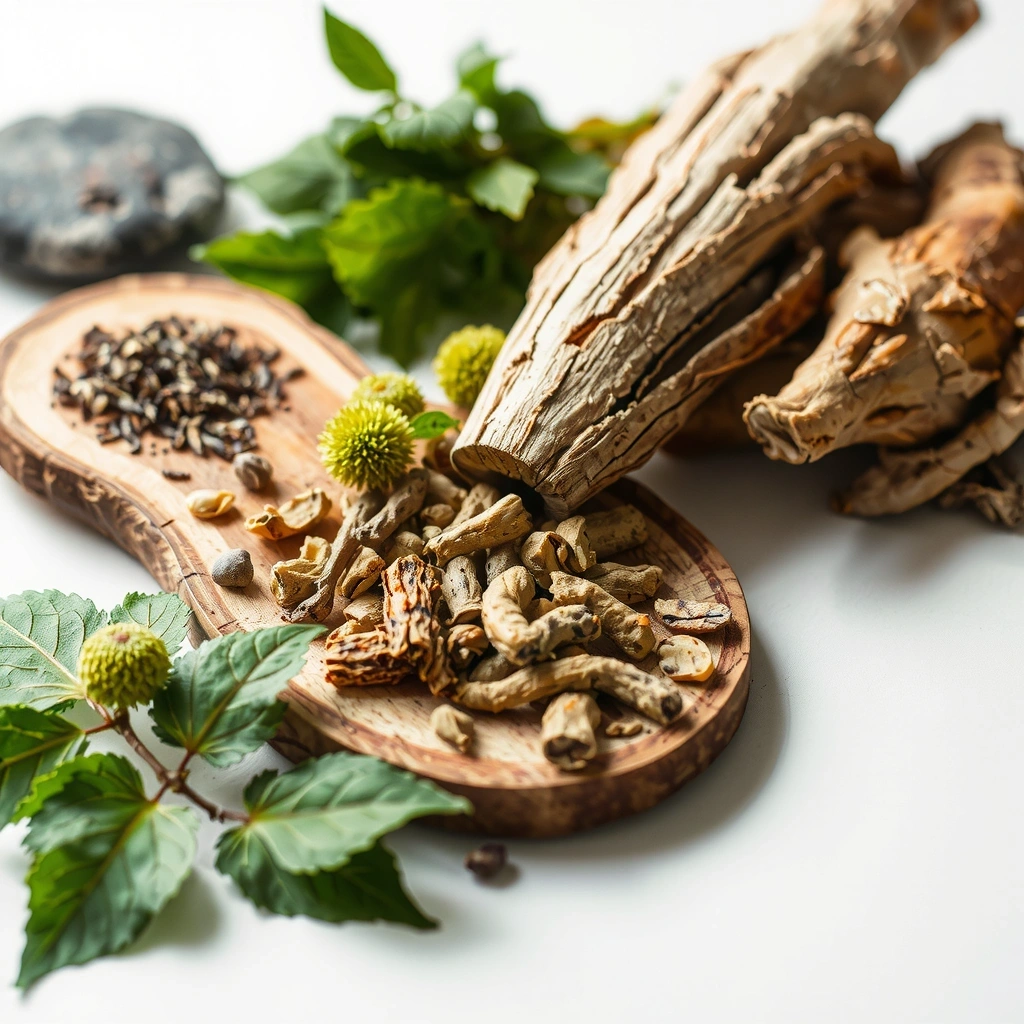
Our philosophy centers on the belief that nature provides everything we need for optimal wellness. We start with the purest, most potent natural ingredients and carefully preserve their beneficial properties through gentle processing methods that maintain their inherent healing qualities.
- • No synthetic additives or artificial preservatives
- • Minimal processing to preserve bioactivity
- • Synergistic ingredient combinations
- • Traditional preparation methods enhanced by modern science
Holistic Wellness Approach
We understand that wellness encompasses mind, body, and spirit. Our products are designed to support overall balance rather than addressing isolated symptoms, working with the body's natural systems to promote sustained health and vitality.
- • Whole-body wellness focus
- • Balancing rather than suppressing
- • Supporting natural healing mechanisms
- • Long-term health optimization
Scientific Research & Development
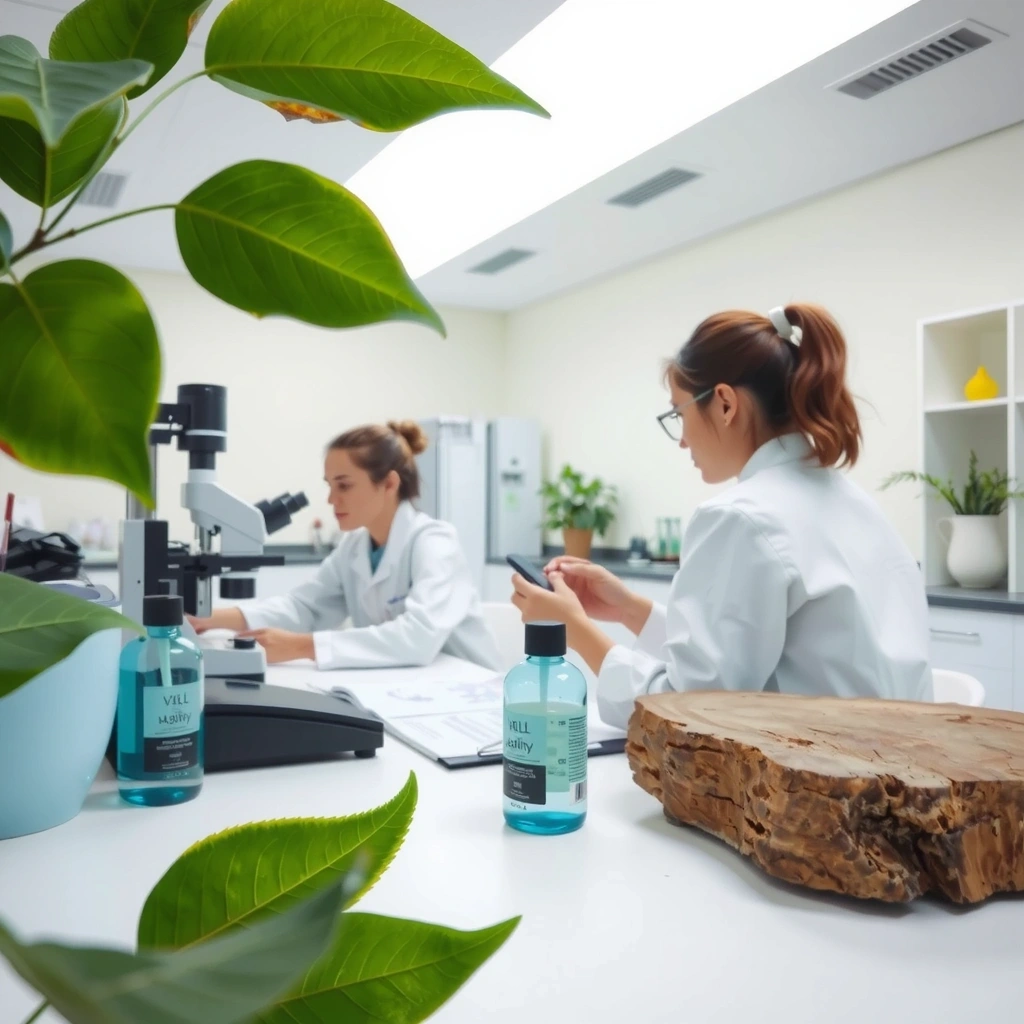
Our R&D team combines traditional herbal wisdom with cutting-edge scientific research. We invest heavily in clinical studies, botanical research, and formulation science to ensure our products deliver measurable health benefits.
Continuous Improvement Commitment
We never stop learning and improving. Our team continuously monitors scientific developments, customer feedback, and market trends to refine our formulations and introduce new innovative natural wellness solutions that meet evolving health needs.
Our Expert Team
Our diverse team of wellness experts, scientists, and natural health practitioners brings together centuries of traditional knowledge and modern scientific expertise to create truly effective natural wellness solutions.
Dr. Emma Kovács
Founder & Chief Wellness Officer
PhD in Naturopathic Medicine with 20+ years of experience in natural health. Specializes in botanical medicine and holistic wellness approaches.
Dr. Ádám Szabó
Head of Research & Development
PhD in Pharmacognosy, expert in natural product chemistry and botanical analysis. Leads our scientific research initiatives and quality control protocols.
Mária Tóth
Sourcing & Sustainability Director
Environmental scientist specializing in sustainable agriculture and organic certification. Manages our global supplier network and sustainability initiatives.
Our Professional Approach
Every member of our team brings specialized expertise in their field, from clinical nutrition and herbal medicine to analytical chemistry and sustainable sourcing. This multidisciplinary approach ensures that every product we create meets the highest standards of efficacy, safety, and sustainability.

Customer Success Stories
Our greatest validation comes from the transformation stories of our customers. Their journey to natural wellness inspires our continued commitment to quality and innovation.
Anna M.
Budapest Customer
"After years of struggling with energy levels and digestive issues, Natural Balance Hungary's natural wellness approach completely transformed my health. Their holistic products address the root causes rather than just symptoms."
Dr. Péter L.
Healthcare Professional
"As a medical professional, I'm impressed by Natural Balance Hungary's commitment to quality and scientific rigor. Their transparency in sourcing and testing gives me confidence in recommending their products to my patients."
Our Commitment to You
When you choose Natural Balance Hungary, you're not just buying a product – you're joining a community dedicated to natural wellness and optimal health. We stand behind every product with our satisfaction guarantee and ongoing support.
Environmental Responsibility
Our commitment to natural wellness extends beyond human health to include the health of our planet. We believe that caring for the environment is essential to true wellness, and we integrate sustainability into every aspect of our business.
Sustainable Packaging
All our packaging uses eco-friendly materials including recyclable glass, biodegradable containers, and minimal plastic usage. We're working toward 100% sustainable packaging by 2025.
Carbon Neutral Operations
Our Budapest headquarters operates with 100% renewable energy, and we offset all shipping emissions through verified carbon offset programs supporting forest conservation projects.
Community Impact
We support local organic farming communities and wellness education programs. 2% of all profits go toward environmental conservation and community wellness initiatives in Hungary.
Our Environmental Commitments
We recognize that our responsibility extends far beyond creating effective natural wellness products. Our environmental stewardship includes comprehensive commitments to sustainable sourcing, responsible manufacturing, and community environmental initiatives.

Visit Our Budapest Wellness Center
Experience natural wellness in person at our flagship location in the heart of Budapest. Our expert team is here to guide you on your journey to optimal health using nature's finest ingredients.
Get in Touch
Our Location
Váci utca 34
1052 Budapest, Hungary
Phone
+36 1 324 00 33 03Opening Hours
Monday - Friday: 9:00 - 18:00
Saturday: 10:00 - 16:00
Sunday: Closed
Services Available
Schedule Your Visit
We recommend scheduling an appointment to ensure you receive personalized attention from our wellness experts. Walk-ins are welcome, but appointments allow us to provide the most comprehensive consultation.
Free Initial Consultation
Every new customer receives a complimentary 30-minute wellness consultation to discuss your health goals and recommend the most suitable natural solutions.
Expert Guidance
Our certified wellness practitioners will help you understand how our natural products can support your specific health objectives and lifestyle needs.